A blueprint for scaling research: 5 operational principles driving the Cancer AI Alliance (CAIA)
Cancer is and always has been a complex challenge.
The American Cancer Society projected that, in 2025, over 2 million new cases would occur in the United States. Encouragingly, there has been a decline in cancer mortality rates, “resulting in 4.8 million deaths averted since 1991 because of reductions in smoking, earlier detection for some cancers, and improved treatment.” However, cancer diagnoses are increasing in younger people, and prostate and breast cancer remain the most common diagnoses for men and women, respectively. Additionally, lung cancer continues to be the leading cause of cancer death.
If current trends continue, the burden of cancer will only grow and place a lasting strain on health systems, economies, and the lives of millions. Cancer isn't just a single disease; it's hundreds of diseases with a variety of causes and risk factors. As researchers discover more about cancer subtypes, they learn more about how to tailor treatments to each person.
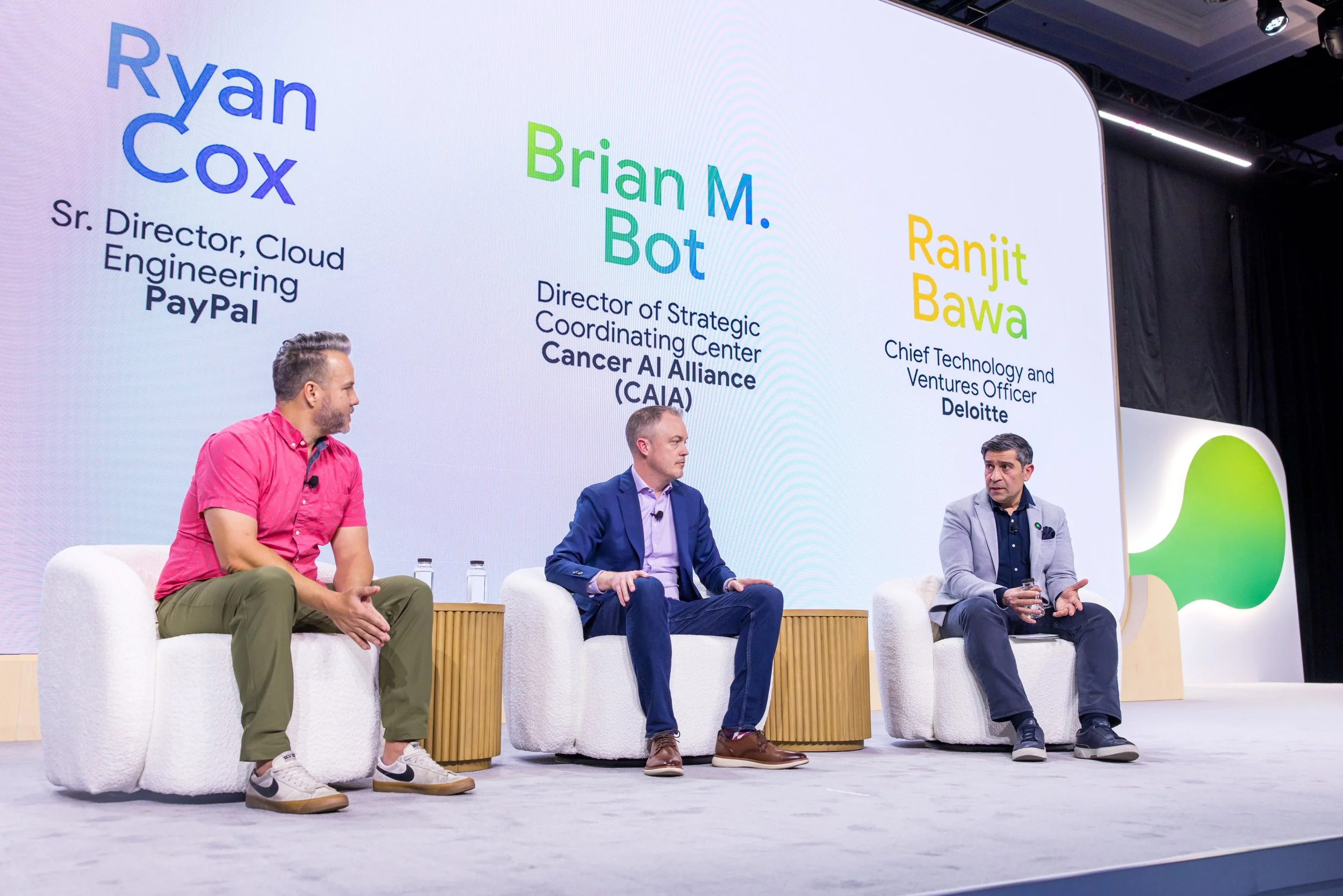
At AWS re:Invent 2025, Dr. Jeff Leek — Scientific Director of the Cancer AI Alliance (CAIA) and Vice President of Data Science at Fred Hutch Cancer Center — discussed using data to apply existing therapies in a "more precise and targeted way" to improve care immediately.
AI can help unlock these therapies especially through cross-institutional research, but such a collaboration requires making data available across institutions for AI modeling without compromising patient privacy or legal and regulatory restrictions.
CAIA was founded to explore how researchers can collaborate across institutional silos while protecting patient privacy. CAIA’s goal is to accelerate the pace of cancer discovery, using a platform that allows researchers to securely share data and build AI models that will ultimately help diagnose, treat, and cure cancer.
In a wide-ranging conversation with Beth Meagher (Vice Chair and Federal Health Sector Leader at Deloitte) and Dr. Angela Shippy (Senior Physician Executive, Amazon Web Services (AWS), Jeff explained the operational principles that CAIA used to address challenges related to multi-institutional research and move from concept to execution in under 12 months.
Below, we offer a look at the challenges and barriers that the CAIA team dismantled in our mission to accelerate cancer research and discovery.
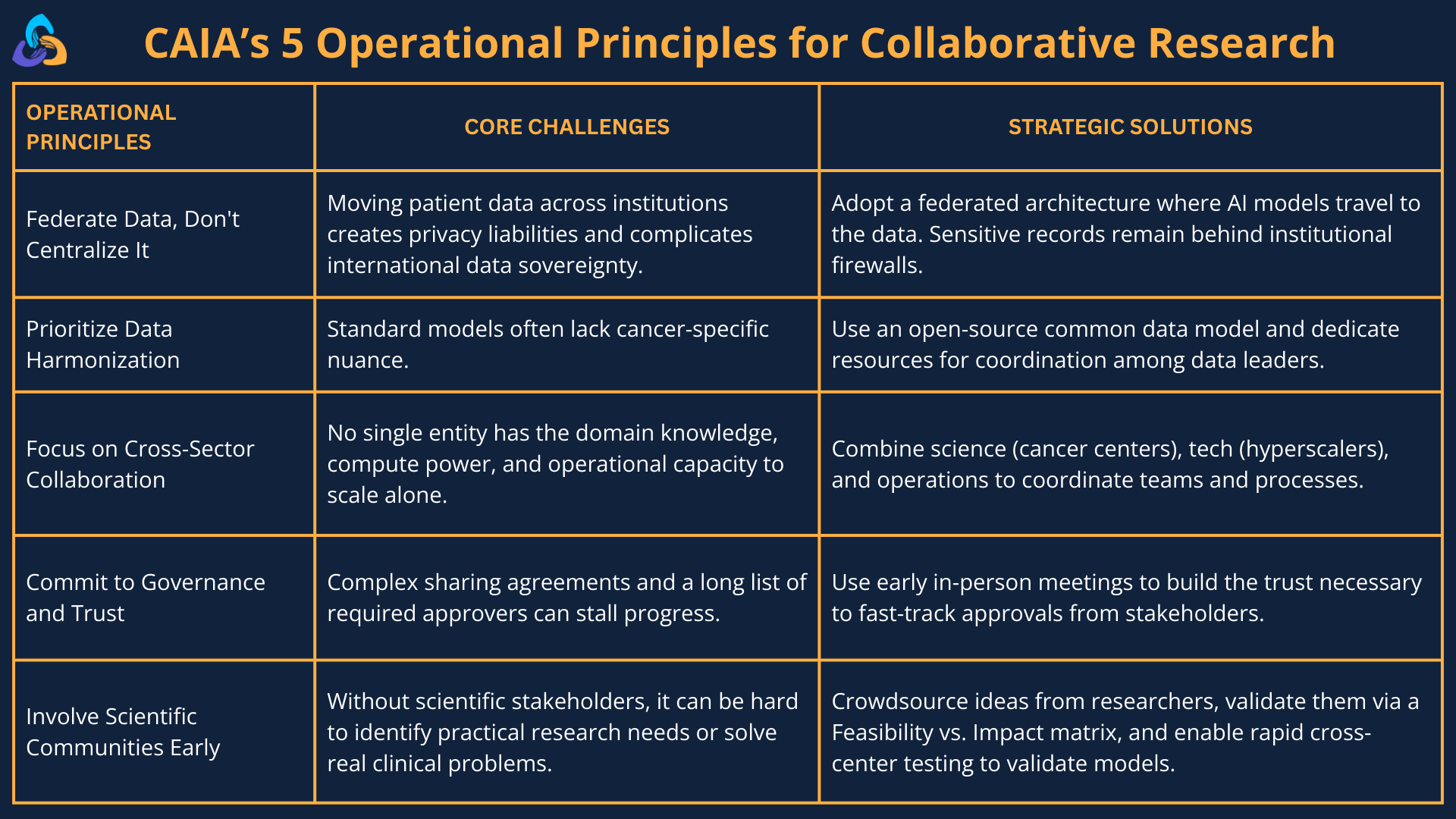
CAIA’s 5 operational principles for collaborative research
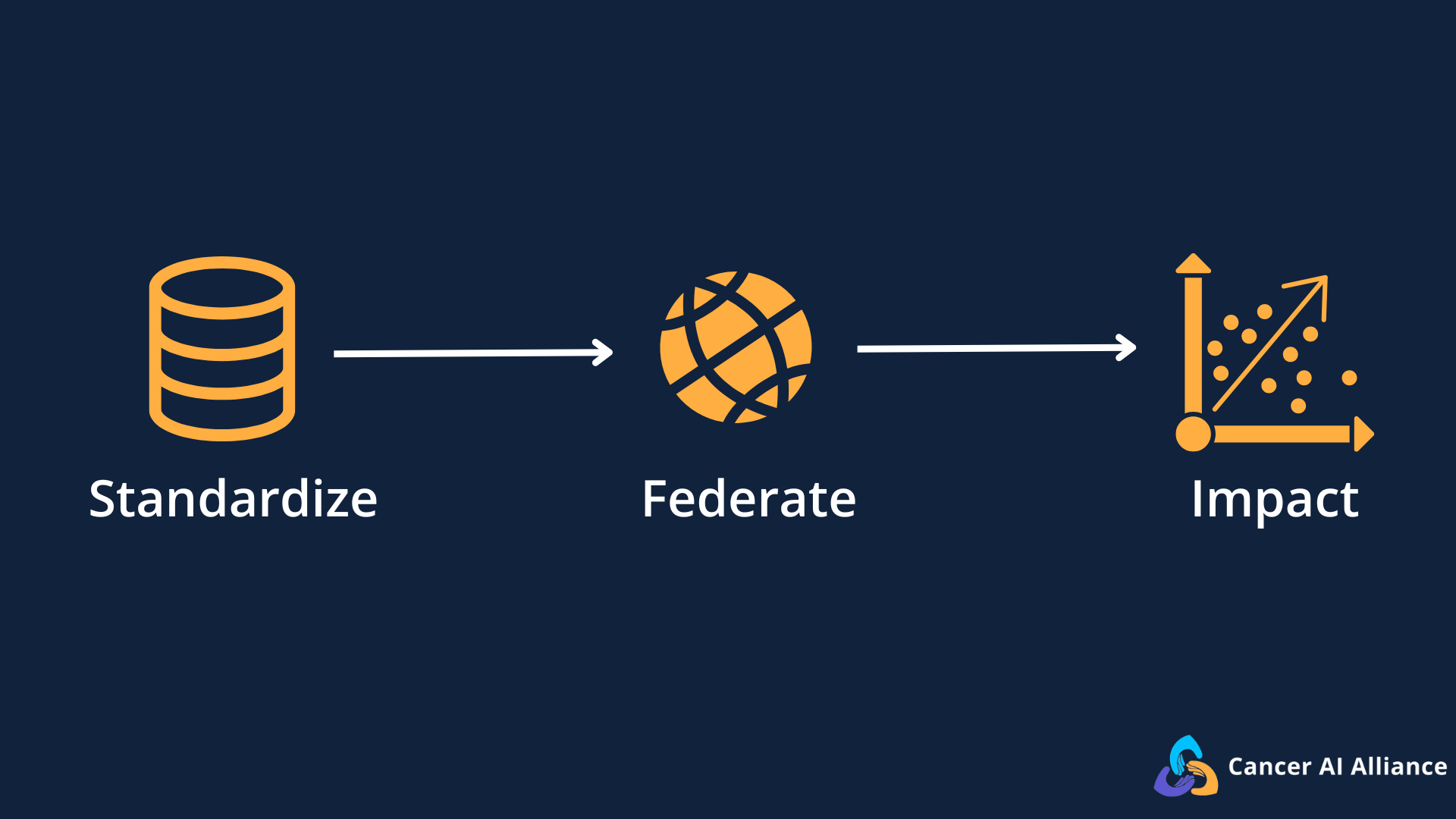
Federate data, don't centralize it
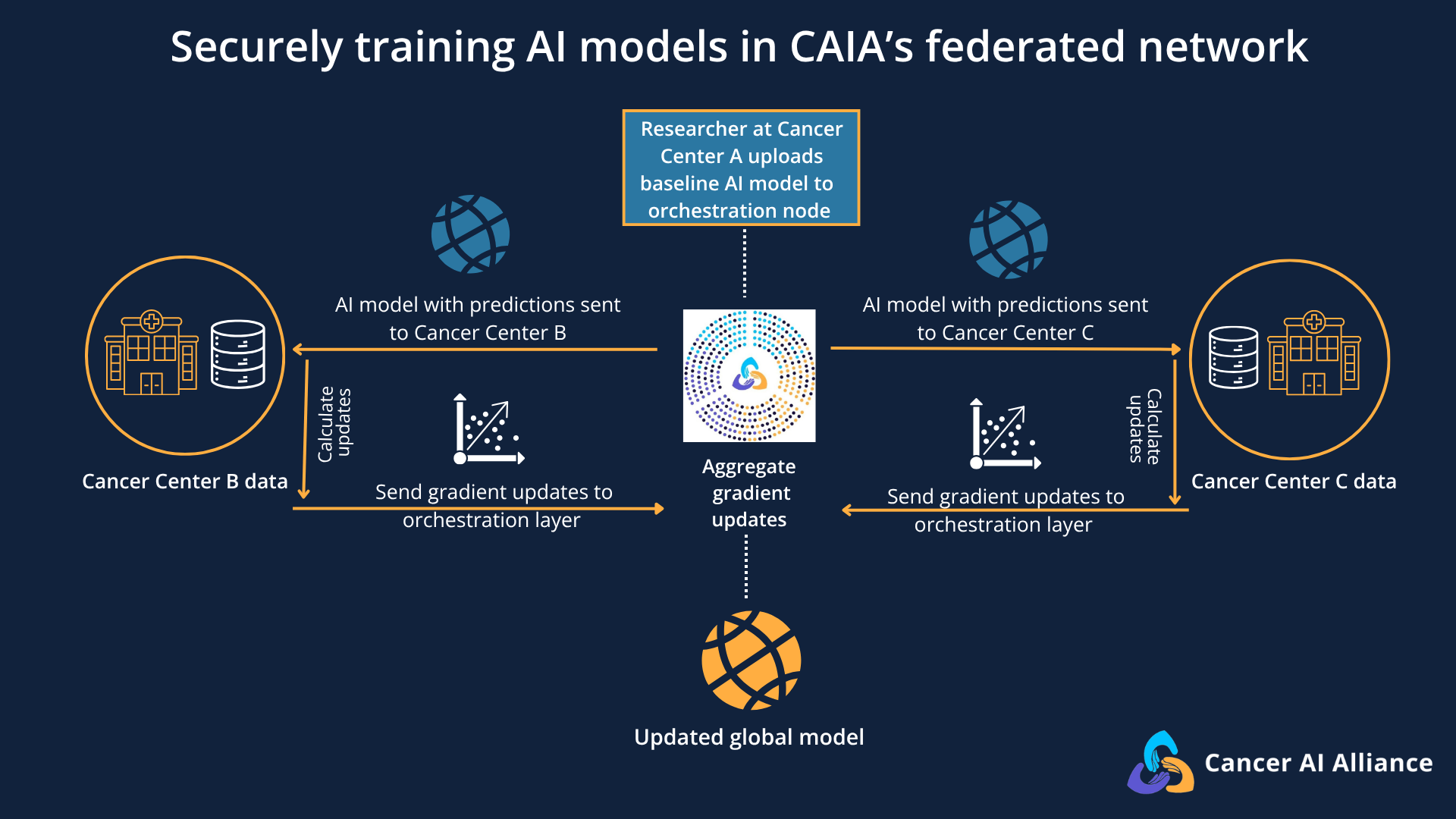
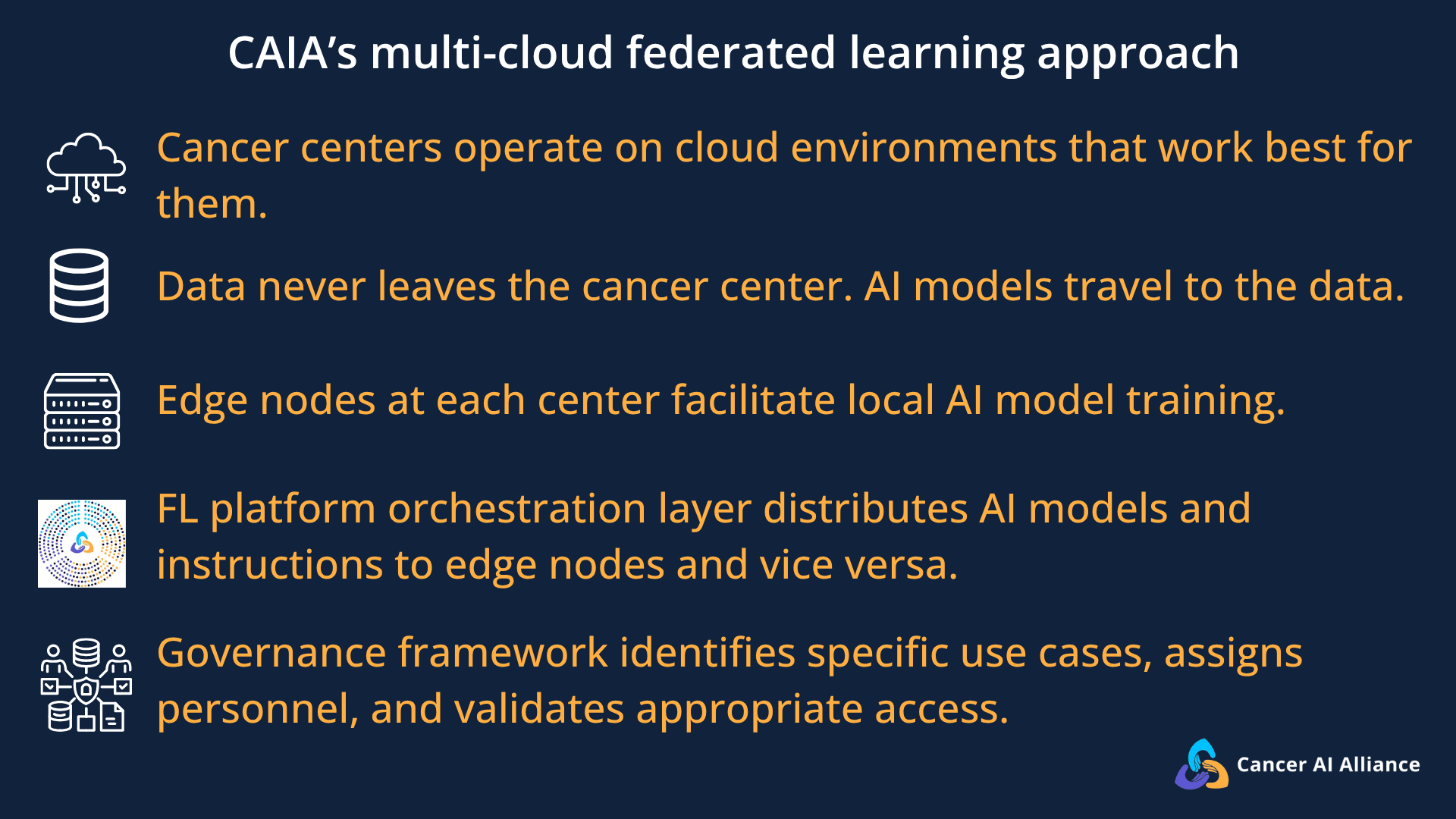
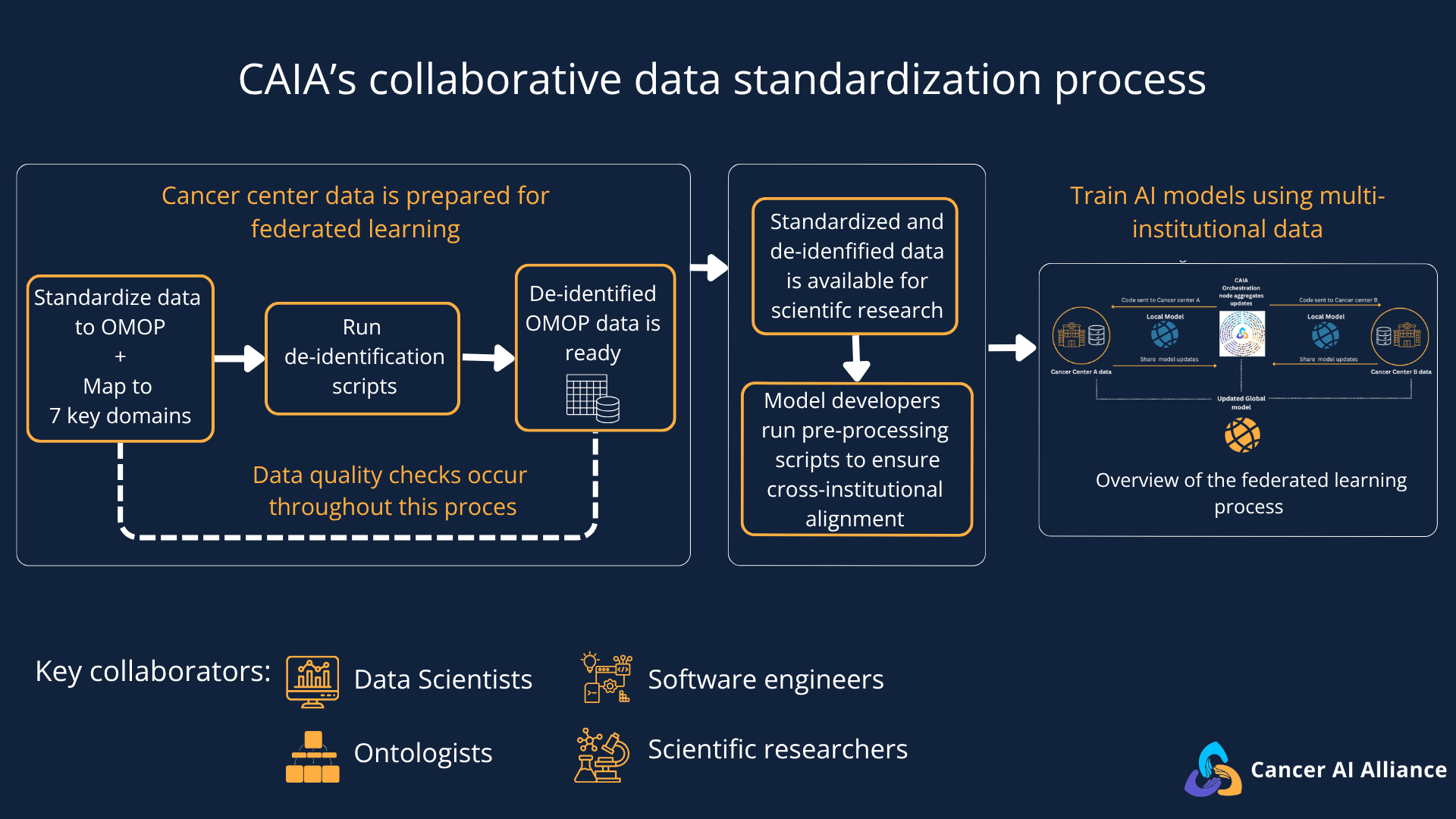
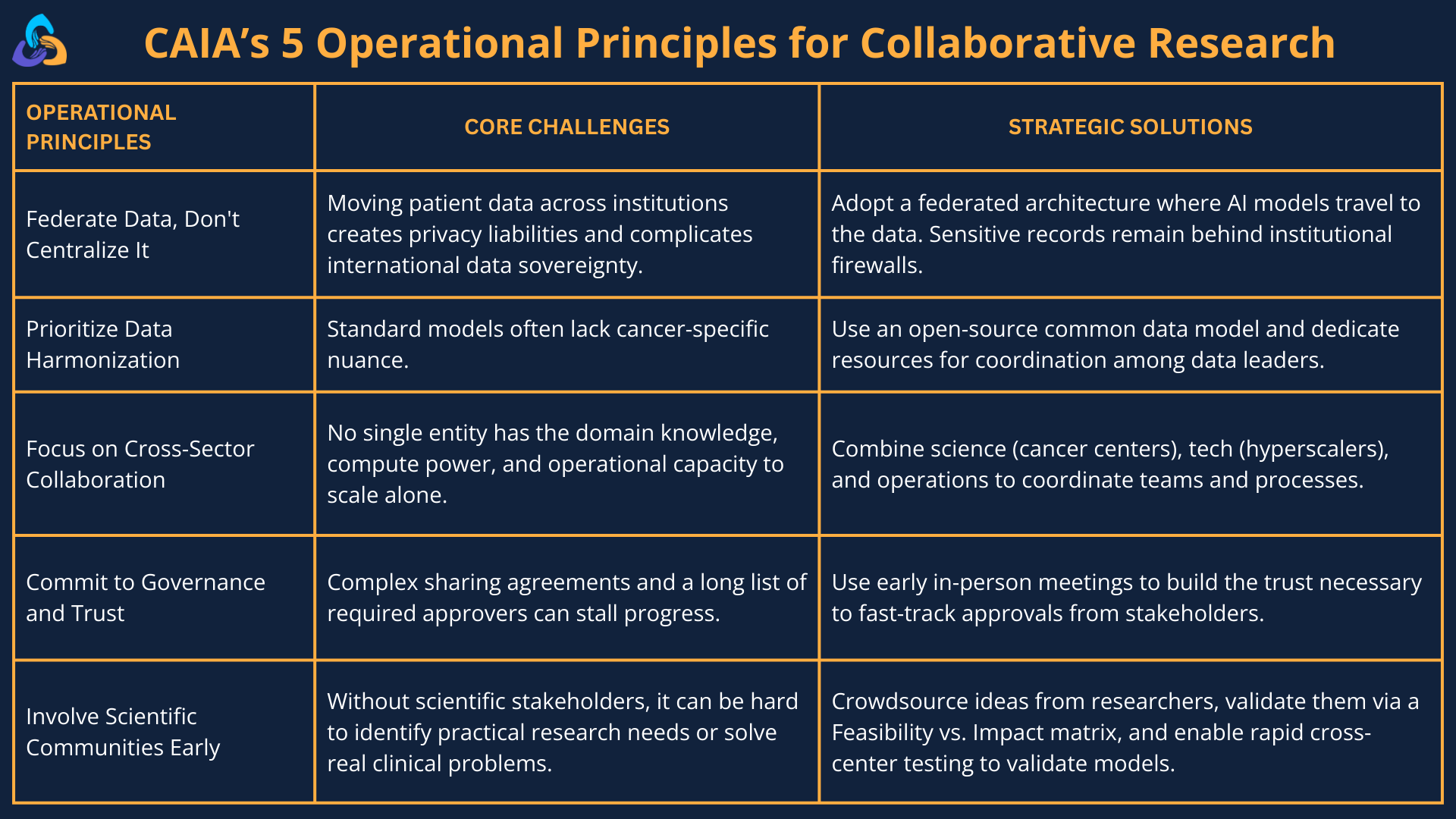
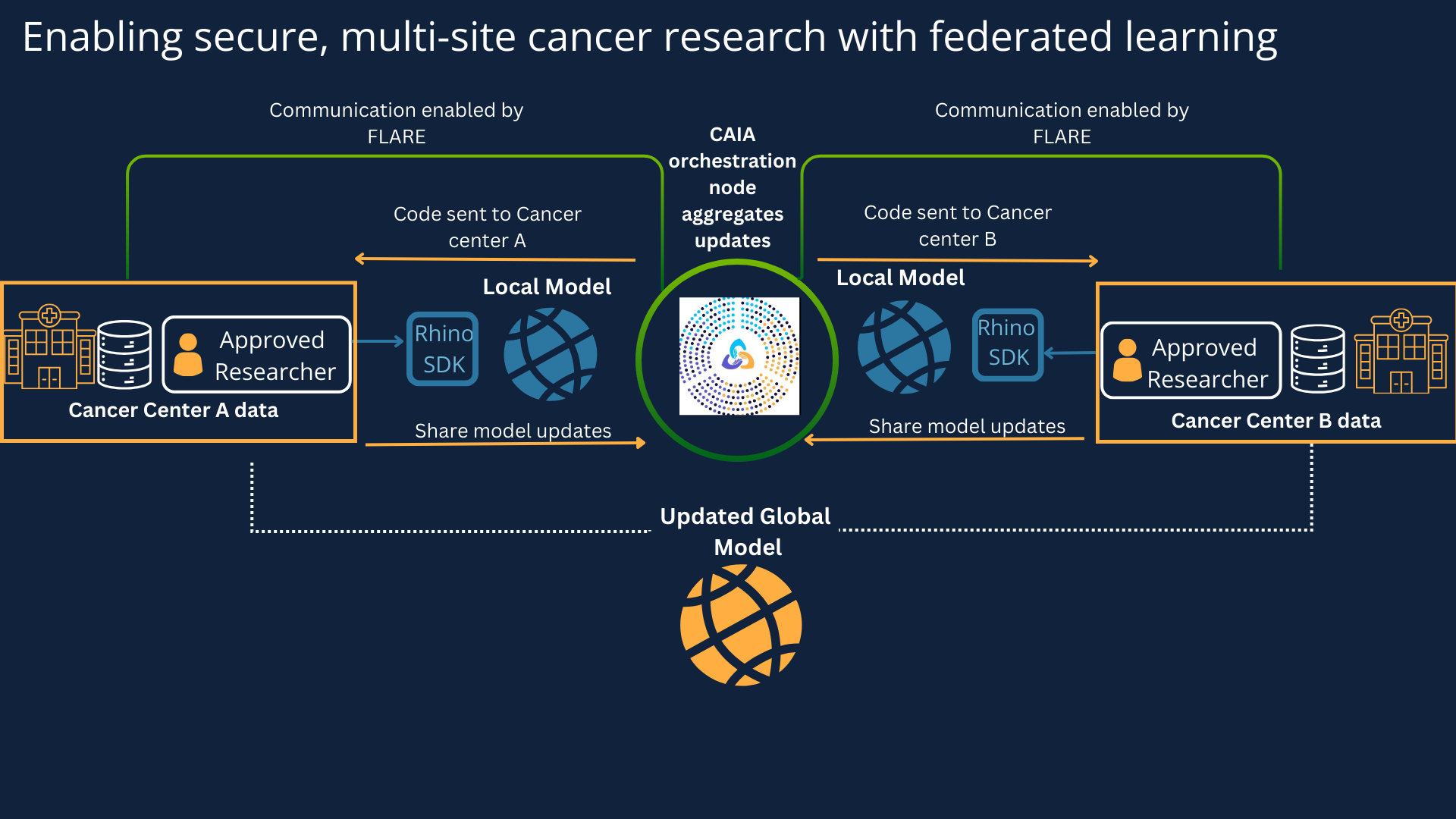
The primary barrier to scaling AI in healthcare is not technology, but the legal and privacy risks associated with moving patient data. To overcome this, CAIA adopted a federated learning model where AI models travel to the data at our participating cancer centers to learn locally. Only data insights and summaries are shared during the training process, and sensitive clinical data remain securely behind each institution's firewall.
This approach has two distinct advantages:
Global Scalability: This approach could address data sovereignty, creating a replicable model enabling countries with strict laws to participate in global research without data crossing borders.
Rare Disease Research: Federation is critical for studying rare diseases, where a single institution might only see a few patients. By aggregating insights across multiple centers, researchers can finally generate sufficient sample sizes to study these rare cancers effectively.
2. Prioritize data harmonization challenges
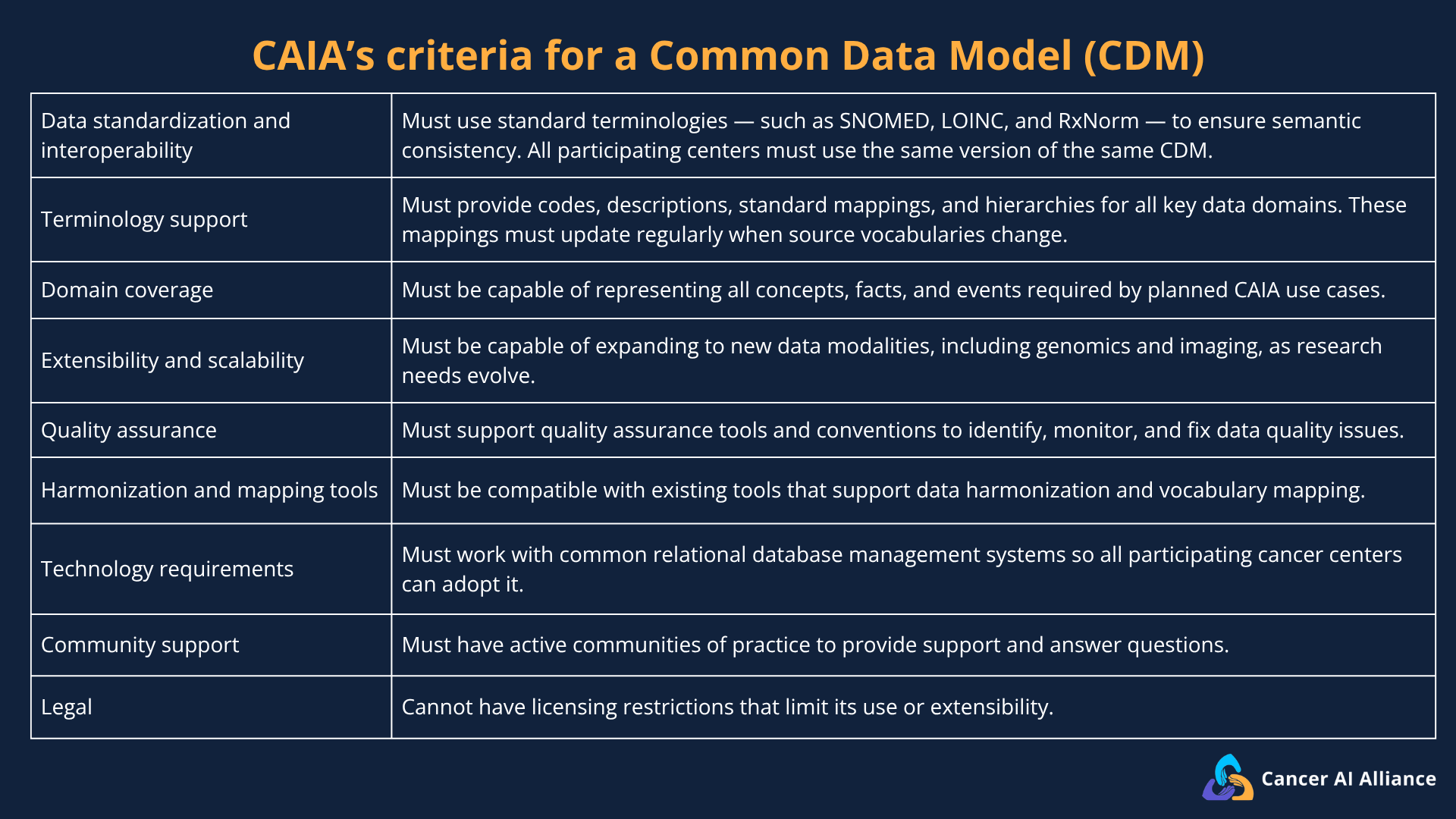
Before models can be trained, data must be harmonized. CAIA uses an open-source common data model (OMOP) as a baseline.
CAIA treated this infrastructure work as the non-negotiable price of entry. This required substantial work and heavy coordination among data leaders at all four cancer centers because standard models often do not cover specific cancer nuances. This work is the foundation required to make any subsequent AI work possible.
3. Focus on cross-sector collaboration
For CAIA to come together at speed and scale, it required a distinct mix of partners:
Leading cancer centers provided the domain knowledge and data.
Hyperscalers provided secure compute environments and tools.
Professional services partners provided the complex coordination and "people processes" required to get disparate organizations to agree on a single path forward.
4. Commit to governance and trust-building
To move from concept to launch in 12 months ("October to October"), CAIA adopted a specific operational mantra: "Data security is non-negotiable.” Translating this commitment into reality meant securing approvals across every institution. As Deloitte’s Beth Meagher noted, this required aligning and galvanizing different organizations to deliver on the vision in record time. It was critical to set the culture and norms early on.
CAIA required sign-off from stakeholders at each institution, including high-ranking officials such as CEOs and CISOs, as well as legal, and philanthropy teams. Early in-person meetings were essential to build the trust required to fast-track these approvals, moving from fear to shared ambition.
5. Involve scientific communities early
CAIA convened scientific leaders from participating cancer centers to form a formal review panel. Instead of relying on top-down mandates, this panel crowdsourced ideas directly from researchers at the centers.
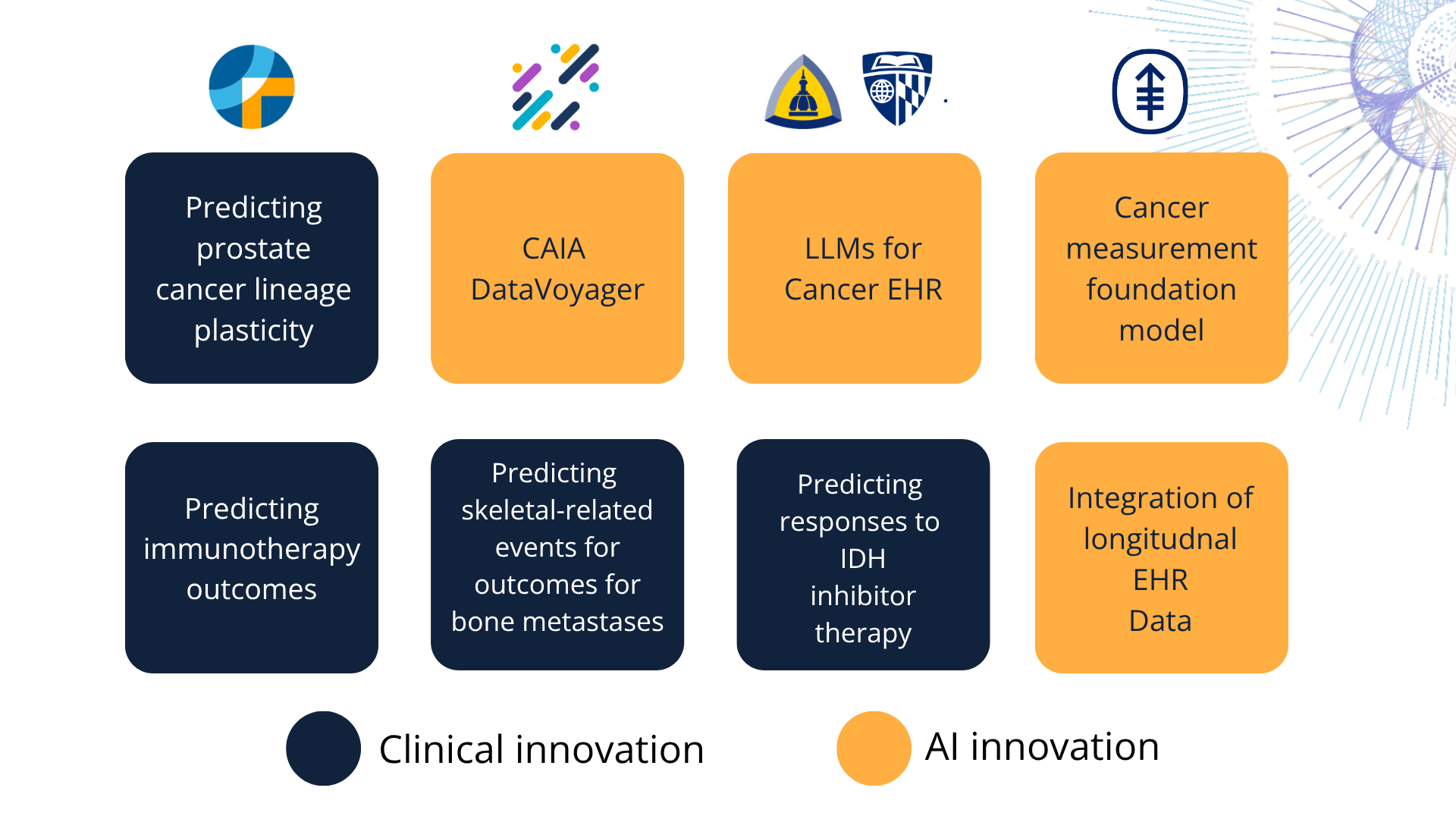
These ideas were subjected to rigorous peer review using a 2x2 matrix: evaluating Feasibility (what is possible within one year) versus Impact (what changes patient outcomes).
This "Tumor Board meets Hackathon" approach, as Dr. Angela Shippy described it, combined clinical rigor with rapid engineering, resulting in eight high-priority use cases. For instance, because Electronic Medical Records (EMRs) often capture billing codes rather than clinical reality, one project uses AI to mine unstructured physician notes to determine actual patient outcomes.
Crucially, this framework allows researchers to build a model at their home institution (e.g., Fred Hutch) and immediately test it against data at the other three centers, accelerating validation from years to weeks.
If you’d like to learn more about CAIA, subscribe to our newsletter for updates and follow us on LinkedIn and X.